
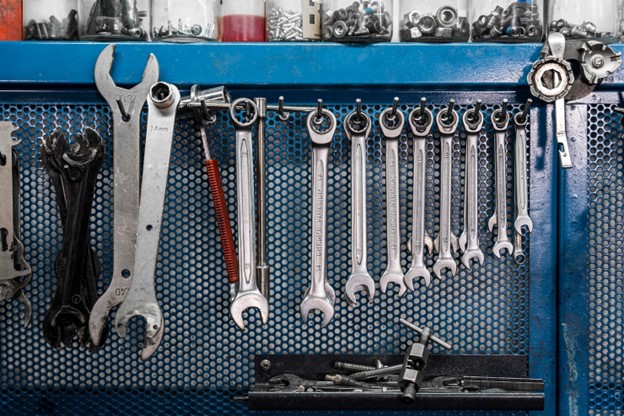
How much damage can a small torque error cause, in high-risk industries, the answer is simple, a lot. From loose joints to equipment failure, poor torque control often sits quietly behind major safety incidents. This blog explains how accuracy is achieved, why calibration can no longer be treated as optional. In the middle of this conversation, Norbar Torque wrenches play a key role for professionals who need repeatable results.
Why Torque Accuracy Is Still Non-Negotiable
Torque accuracy affects safety, asset life, and compliance all at once. When bolts are not tightened to the correct value, stress builds where it should not. Over time, this leads to cracked components, vibration issues, or sudden failure. Modern industries are no longer to view torque as a mechanical task alone.
It is part of risk management. Power plants, manufacturing plants, railways, and construction sites have now connected the accuracy of the torque with the safety records and audit results. The slightest deviations count, particularly when they happen in hundreds of fasteners. The maintenance pressure to move to data-supported maintenance has also increased expectations. In case it is impossible to prove accuracy, it is considered a possible liability.
What Sets Norbar Torque Wrenches Apart
Norbar is widely recognized for building tools that maintain accuracy over long service life. Instead of pursuing speed or shortcuts, the emphasis remains on measurement integrity. The reason why professionals believe in these tools is that they are created to minimize the torque drift due to wear, abuse, or extreme conditions.
The fact that reliability is vital in the times of inspection, shutdowns, and safety reviews, when all values have to be subjected to scrutiny.
Key design strengths that support long-term accuracy include:
- Stable mechanical construction that resists calibration drift
- Clear torque scales that reduce operator error
- Compatibility with certified calibration systems
- Consistent performance across full torque ranges
Accuracy that lasts is what separates compliance-ready tools from short-term solutions.
Calibration Is Now a Process, Not an Event
Calibration used to be treated as a yearly requirement. That approach no longer holds up. Usage frequency, load stress, and environmental exposure all affect torque output. Waiting too long between checks increases risk. Forward-thinking teams now follow calibration schedules based on usage patterns, not calendar reminders.
Tools used daily may need verification far more often than those kept in reserve. This shift also supports audit readiness. Inspectors demand documented calibration history, traceability, and evidence that out-of-tolerance tools are out of service. Where calibration is part of the daily work, it becomes less difficult to keep compliance.
Compliance Standards Are Getting Stricter
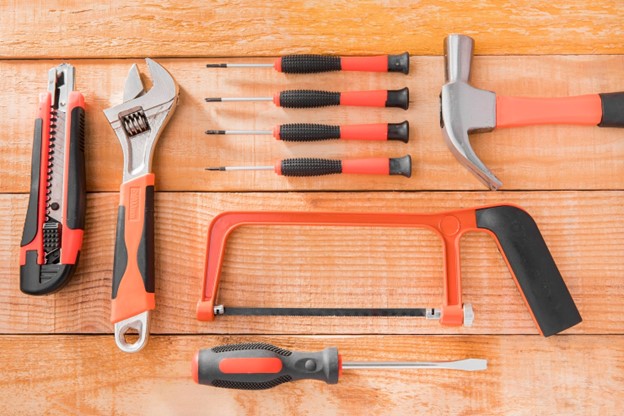
Regulatory bodies are tightening requirements around mechanical fastening, especially in safety-critical environments. Torque tools are no longer background equipment. They are part of formal safety systems.
Compliance checks now often examine how torque accuracy is protected during real-world use, not just on paper. This includes evaluating work conditions, operator protection, and tool selection.
Modern compliance frameworks typically expect:
- Documented calibration records with traceability
- Use of insulated tools in electrical risk zones
- Mandatory PPE during torque-critical tasks
- Clear procedures for tool storage and handling
This layered approach reduces both human error and mechanical risk.
How Insulated Tools and PPE Support Better Torque Control
Accuracy depends on people as much as tools. When operators feel rushed or unsafe, precision drops. Insulated tools protect workers in live or near-live environments, allowing them to focus on correct torque application instead of avoiding hazards. PPE adds another layer of stability. Gloves designed for grip, eye protection, and protective footwear all contribute to safer posture and controlled movement.
This directly supports consistent torque values. Many safety managers now treat insulated tools and PPE as accuracy enablers, not just protective gear. When conditions feel controlled, work quality improves naturally.
Real-World Results from Better Torque Systems
Facilities that invest in reliable torque tools, regular calibration, and proper safety equipment often notice quieter improvements. Fewer rework jobs, fewer failed inspections, and less unplanned downtime. One maintenance team reported that after upgrading their torque control system, audit findings dropped significantly without changing staff or workload. The difference came from consistency. That is the real value of accuracy. When it works, nothing goes wrong and that is exactly the point.
Accuracy That Holds Up Over Time
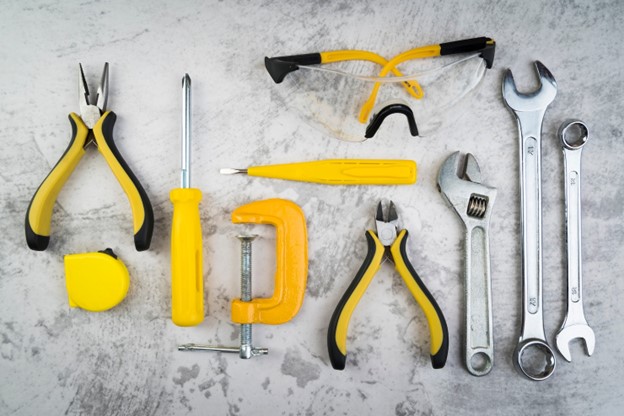
Torque control is about systems, not single tools. Accuracy, calibration, insulated equipment, and PPE all support each other. When one fails, the whole process weakens. As compliance expectations rise toward 2026, teams that invest early avoid last-minute fixes and audit pressure.
Reliable tools and disciplined processes make the difference. For organizations looking to strengthen torque accuracy and compliance programs, Sonta Tools supports professionals with trusted equipment and practical guidance built for long-term use.
FAQs
1. Why is torque accuracy critical in industrial work?
Accurate torque prevents joint failure, equipment damage, and safety incidents, especially in regulated and high-risk environments.
2. How often should torque wrenches be calibrated?
Calibration frequency depends on usage, load conditions, and environment, not just yearly schedules.
3. What makes Norbar torque wrenches reliable?
They are built for long-term accuracy, low drift, and compatibility with certified calibration systems.
4. Do insulated tools affect torque performance?
Yes. Insulated tools improve safety and operator focus, which supports more consistent torque application.
5. Why is PPE linked to torque compliance?
Proper PPE reduces risk and improves control, helping teams meet safety and compliance standards consistently.