
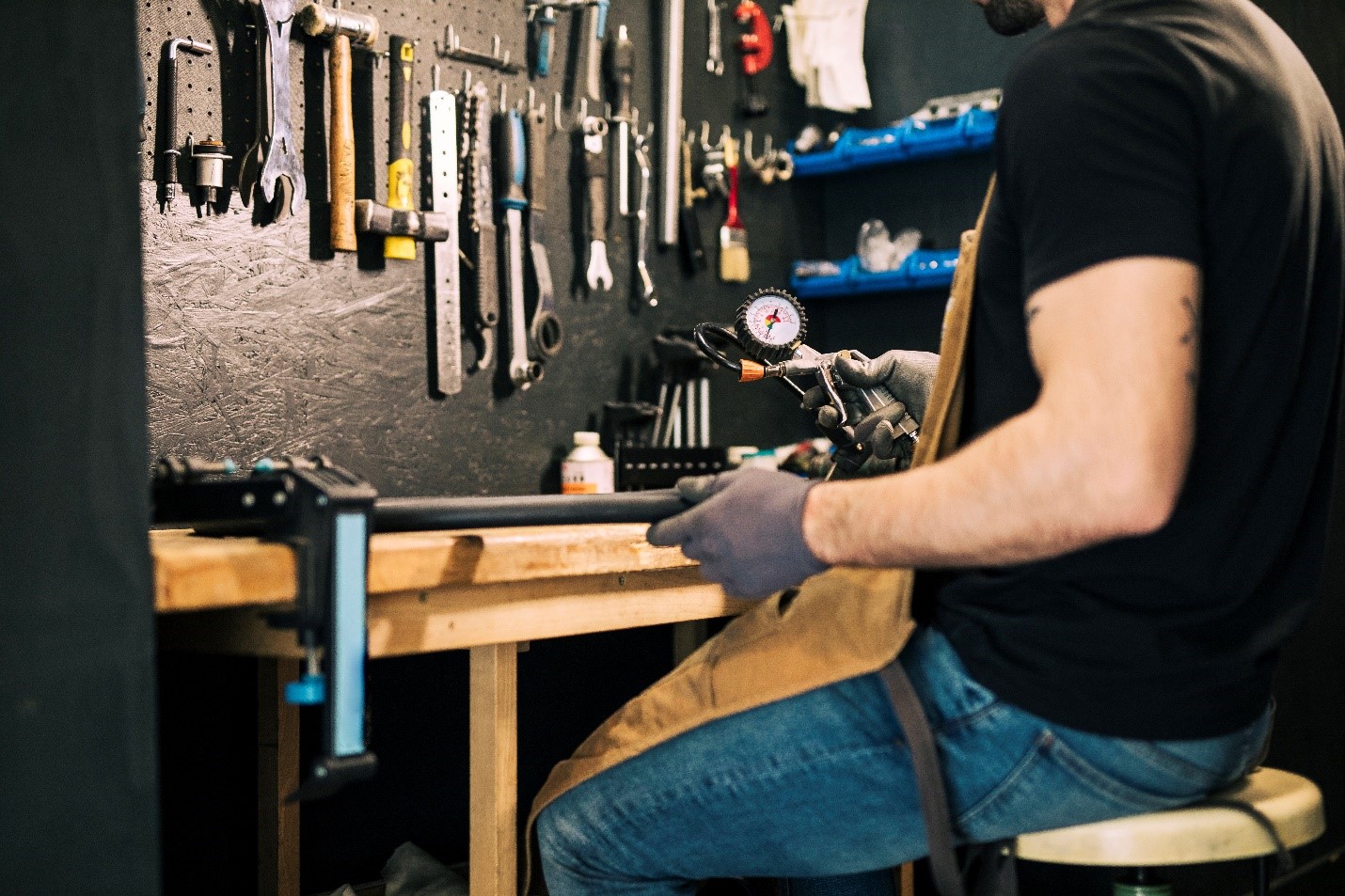
Power tools today work harder than ever, across factories, garages, and service bays that never slow down. This blog explains why certain tool brands continue to earn trust in both industrial and automotive spaces, what professionals actually look for in daily-use equipment, and how buying habits are shifting as we move into 2026. In the middle of these conversations, Chicago pneumatic tools keep coming up for one simple reason. The tools just keep working.
Why Industrial and Automotive Tools Face Different Pressures
Industrial environments punish tools differently than automotive shops. Factories demand repeats cycles, fixed torque, and minimal downtime. There should be flexibility, speed, and comfort during long hours in automotive work. The difficulty lies in identifying the tools that can manage the two worlds without being compromised. Air tools, specifically, are in the middle of this crossover.
They have to provide stable power and withstand oil, dust, vibration and constant handling. The professionals do not purchase tools to use once. They make purchases that are durable, repairable and long-lasting. Such attitude change is influencing buying decisions even more than marketing ever did.
What Makes Chicago Pneumatic Tools Stand Out
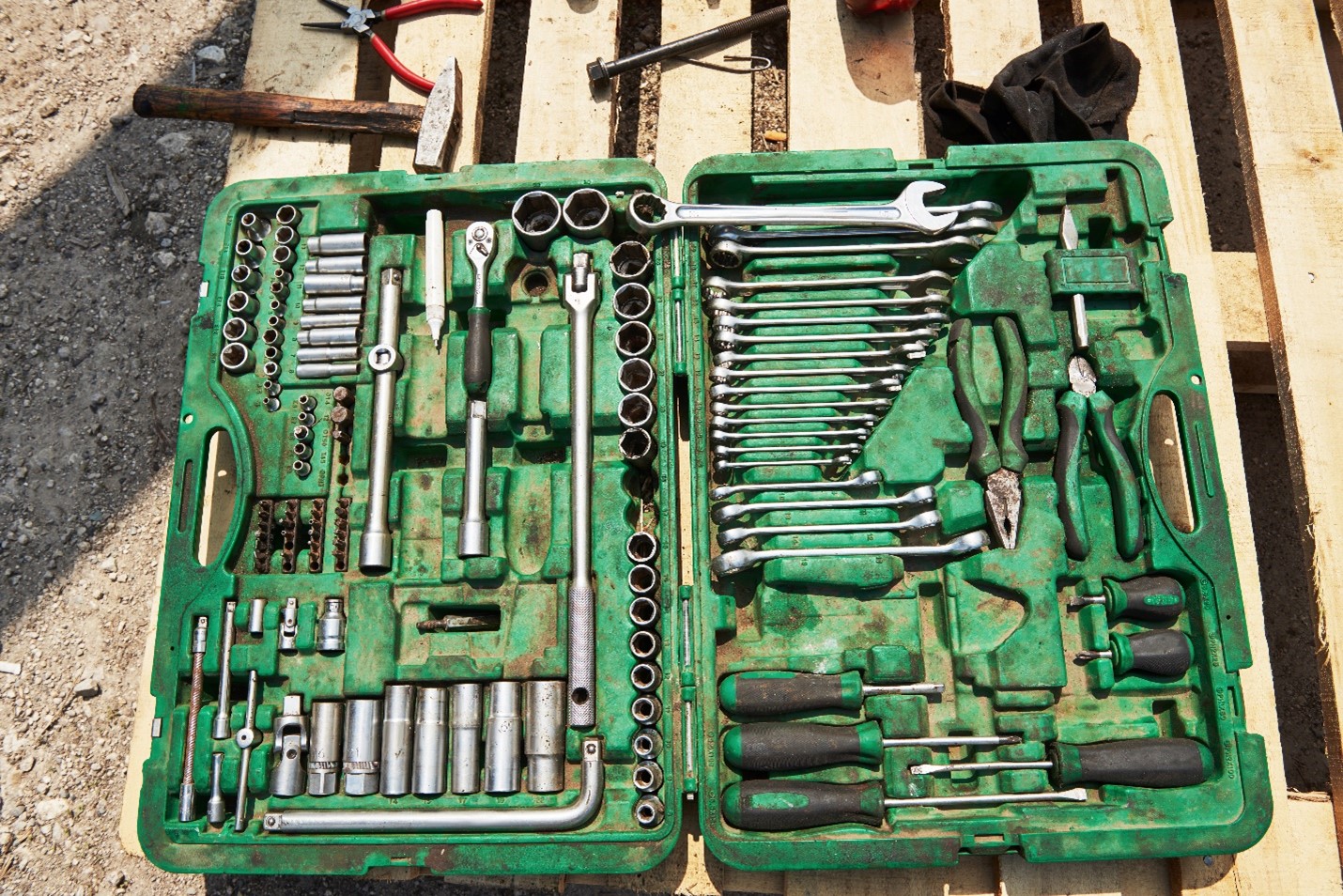 Chicago Pneumatic has built its reputation on performance that does not fade after the warranty ends. The tools are designed for sustained output, not short bursts that look good in demos. Shops that rely on these tools often mention the same thing; less downtime, fewer replacements, and predictable performance. That reliability matters when every stalled tool slows a full workflow.
Key reasons professionals choose Chicago Pneumatic Tools include:
- Consistent air power under continuous load
- Solid build quality that handles vibration and impact
- Easy servicing with available replacement parts
- Comfortable designs that reduce operator fatigue
These features are not flashy. They are practical, and practical tools last.
CP Air Tools and the Role of Pneumatics in 2026
CP Air Tools remain relevant even as electric options grow, because compressed air systems still dominate many industrial settings. They are predictable, powerful, and easier to maintain at scale. CP Air Tools perform especially well where heat buildup and electrical risks are concerns. Automotive shops also favor them for tasks that demand torque consistency without overheating.
In 2026, the trend is balanced. Many facilities now use hybrid setups. Electric tools for mobility, air tools for heavy, and repetitive work. CP fits cleanly into that mix without forcing operational changes.
How Sealey Automotive Tools Fit into the Picture
Sealey automotive tools often appear alongside Chicago Pneumatic equipment in workshops. Sealey is a company that pays much attention to automotive-related requirements such as diagnostics, lifting, and specialty tools. Sealey Automotive Tools are supporters of the wider garage ecosystem, where Chicago Pneumatic is doing well in air-powered workhorses.
The two of them do not overlap or conflict in the coverage of daily tasks. This combination indicates the way that current workshops purchase tools not based on brand loyalty, but based on task conformity. Each of the tools has its place in effectively solving a real problem.
Choosing Tools That Match Real Workloads
Too many buyers focus on peak performance numbers. Real-world use is different. Tools spend most of their life below peak output, but under constant stress.
Choosing the right tool means understanding duty cycles, not just specs. It also means considering who uses the tool. A powerful impact gun is useless if it causes fatigue after one hour.
Smart buyers evaluate tools based on:
- Daily usage time and load frequency
- Ergonomics and vibration control
- Service access and repair turnaround
- Compatibility with existing systems
This approach prevents overspending while avoiding underperformance.
Lessons From Long-Term Tool Users
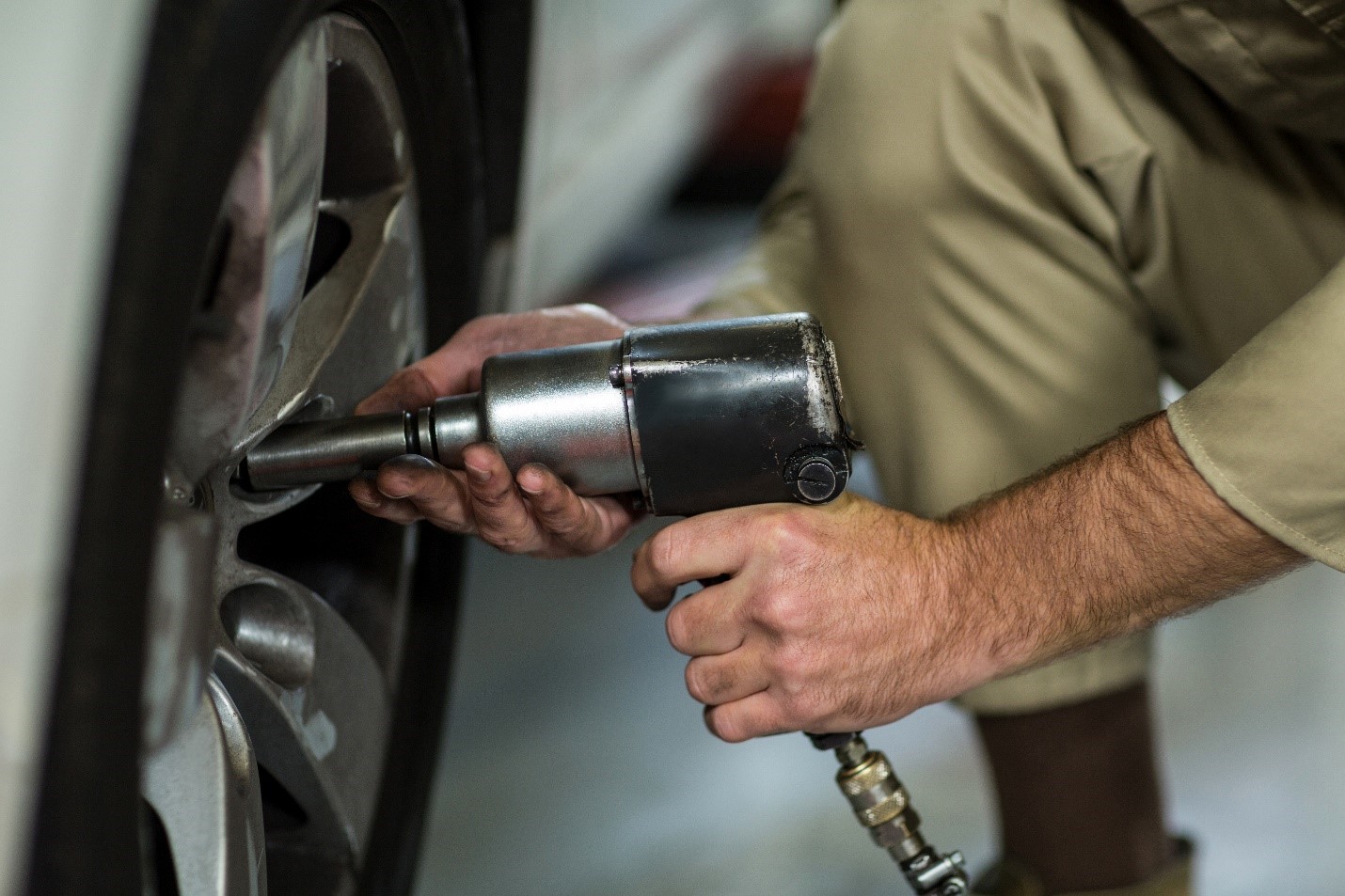 Shops that track tool lifespan notice patterns. Reliable brands reduce emergency purchases. Planned replacements cost less than rushed fixes. Operators treat dependable tools with more care. Switching to higher-quality air tools cut replacement costs by nearly half over three years. The upfront cost was higher. The long-term savings were obvious. These lessons are shaping buying strategies across industries. Tools are no longer consumables, they are assets.
The Future of Industrial and Automotive Tooling
Looking ahead, buyers want proof, not promises. Tools must show consistency, safety, and service support. Brands that cannot deliver on all three slowly disappear from serious workshops. Chicago Pneumatic tools continue to hold ground because they focus on function over noise. Sealey Automotive Tools supports that ecosystem by covering specialized needs without sacrificing quality. As expectations rise in 2026, reliability becomes the loudest feature.
Final Thoughts: Tools That Earn Their Place
Industrial and automotive work does not forgive weak tools. Every failure costs time, money, and trust. Choosing equipment that survives real conditions is no longer optional. If your operation depends on dependable power tools and long-term performance, Sonta Tools helps businesses source equipment that works as hard as their teams do.
FAQs
1. What are Chicago Pneumatic Tools best known for?
They are known for long-lasting performance, consistent air power, and durability in industrial and automotive environments.
2. How do CP Air Tools differ from electric tools?
CP Air Tools rely on compressed air, offering steady torque, less heat buildup, and easier maintenance in heavy-use settings.
3. Are Chicago Pneumatic Tools suitable for automotive workshops?
Yes. They are widely used for impacts, ratchets, and grinding tasks in busy garages.
4 .Where do Sealey Automotive Tools fit in?
Sealey supports automotive work with specialty tools, diagnostics, and garage equipment that complement air tools.
5. How can Sonta Solutions help businesses choose tools?
They guide buyers toward reliable tools that match workload, safety needs, and long-term value.