
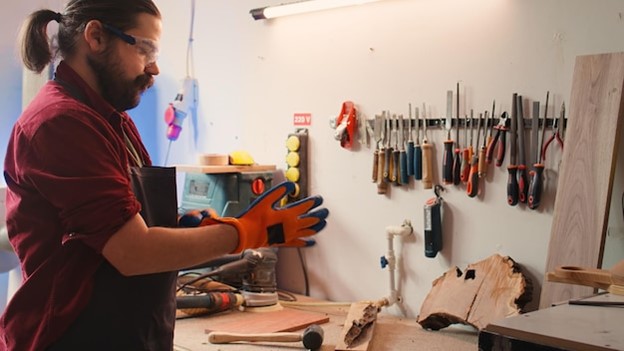
Production delays rarely come from big failures. Most of the time, it’s small inefficiencies stacking up. A slightly loose bolt, uneven torque, or a tool that just isn’t built for repetition. That’s where the gap between assembly tools and professional hand tools starts to matter.
This breakdown keeps things simple. Clear differences, real use cases, and practical direction for choosing the right tool in the right situation.
What Are Assembly Tools?
Assembly tools are built for controlled, repeatable work. They are commonly used in production environments where accuracy is not optional.
Well-known brands like Cleco and Desoutter focus on torque precision and consistent fastening. These tools are often powered and calibrated to deliver the same result again and again.
In sectors like automotive or aerospace, even a small variation in torque can lead to performance issues. That’s why Cleco Assembly Tools and Desoutter assembly Tools are widely trusted in such environments.
What Are Hand Tools?
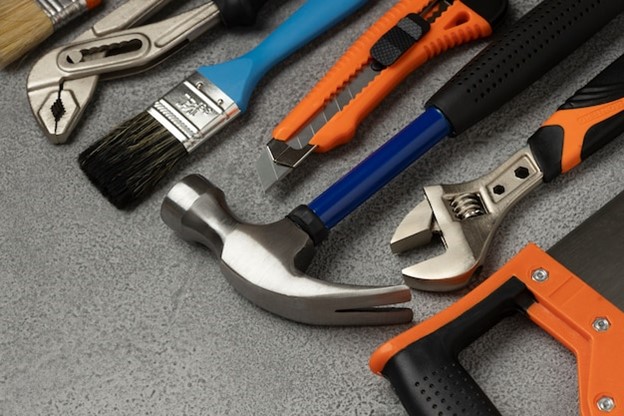
Premium hand tools are straightforward. No motors, no setup. Just manual control. They are used across industries for repairs, adjustments, and low-volume tasks. The strength of professional hand tools lies in flexibility. A technician can move quickly, adapt, and handle different tasks without needing special configurations.
They may not offer perfect consistency, but they offer control. And in many situations, that’s more important.
Key Differences Between Assembly Tools and Hand Tools
Precision vs Control
Assembly tools are designed for exact torque output. Every fastener is tightened to a defined standard. This reduces variation and improves product quality. Premium hand tools rely on human judgment. Skilled technicians can achieve great results, but consistency varies.
Speed and Workflow
Speed is important in high-volume environments. The assembly tools are also made to be used continuously without reducing the workflow. Premium hand tools are slower by nature. They work best when the job is not repetitive or when adjustments are needed on the spot.
Investment and Long-Term Value
Assembly tools require a higher initial investment. Nevertheless, they usually lower the operational expenses in the long term through error and rework reduction. Premium hand tools are cost-effective upfront. They are ideal for smaller operations or support tasks.
Where Assembly Tools Perform Best
Assembly tools are the right choice in environments where output and precision must stay aligned.
- High-volume production lines
- Tasks requiring consistent torque values
- Industries with strict safety or compliance standards
A manufacturing unit using Desoutter assembly Tools for fastening applications reported fewer inconsistencies during quality checks. Less rework. Better throughput.
Where Hand Tools Still Lead
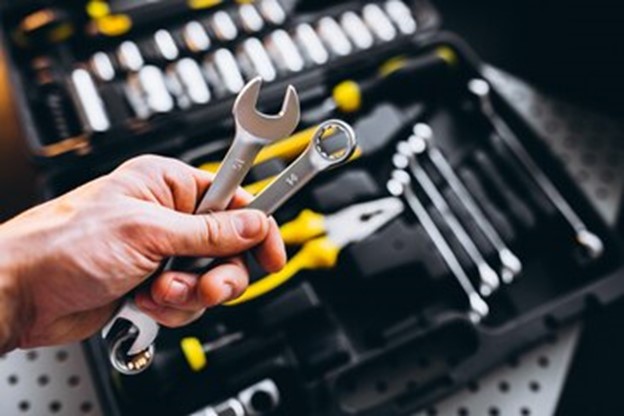 Premium hand tools continue to play a critical role, especially outside production lines.
- Maintenance and repair work
- Field operations with limited access
- Situations requiring flexibility and quick adjustments
Even in advanced facilities, professional hand tools are always within reach. They fill the gaps where powered tools cannot operate efficiently.
Practical Insight from Real Operations
No experienced technician relies on just one category. The most efficient setups combine both. Assembly tools handle repetitive, high-precision tasks. Premium hand tools take over when adaptability is needed. This balance keeps operations smooth without overcomplicating the workflow.
Conclusion
Assembly tools bring consistency, speed, and measurable accuracy. Premium hand tools bring control, flexibility, and simplicity. Both serve a purpose, and neither replaces the other completely.
Operations that scale efficiently understand this balance early. Whether it’s integrating Cleco Assembly Tools into production lines or relying on professional hand tools for critical adjustments, the goal remains the same. Better performance with fewer errors. That’s exactly where Sonta Tools supports industries by aligning the right tools with real operational needs.
FAQs
What industries use Cleco Assembly Tools the most?
Cleco Assembly Tools are commonly used in automotive, aerospace, and heavy manufacturing industries where precision fastening is critical.
Are Desoutter assembly Tools suitable for small businesses?
Desoutter assembly Tools are more beneficial for medium to large-scale operations, especially where repetitive tasks and consistency are required.
Why do technicians still prefer professional hand tools?
Professional hand tools offer flexibility and are easier to use in repair, maintenance, and fieldwork, where powered tools may not be practical.
How do I choose between assembly tools and hand tools?
The choice depends on task frequency, precision requirements, and working conditions. High-volume tasks favor assembly tools, while variable tasks rely on premium hand tools.