
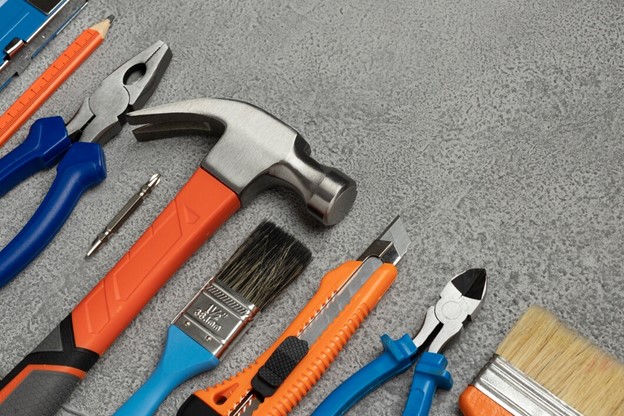
Electric shock incidents still rank among the top causes of workplace injuries in industrial environments. One small slip. One exposed wire. That’s all it takes. And yet, many teams still underestimate how critical insulated tools are until something goes wrong.
This blog dissects the reasons why insulated equipment is important, how it benefits the workers and what on-the-ground actions actually enhance electrical safety.
What Makes Insulated Tools Different?
Standard industrial tools conduct electricity. Insulated tools don’t. They are coated with protective materials and tested to handle specific voltage levels, usually up to 1000V.
That difference is not just technical. It changes how safely a technician can work around live systems. In industries where downtime costs money, shutting off power isn’t always realistic. Maintenance often happens with systems still active. That’s exactly where insulated tools step in.
Where Electrical Risks Actually Show Up
Electrical hazards are rarely obvious. They sit in everyday tasks. A panel that looks fine. A connection that feels stable. A tool that slips just slightly.
Common risk situations include:
- Contact with live components during maintenance
- Faulty equipment triggering arc flashes
- Conductive surfaces increase shock risk
- Working in tight, high-voltage spaces
Safety reports across industrial sectors consistently show one pattern. Most incidents happen during routine work, not emergencies.
How Insulated Tools Improve Workplace Safety
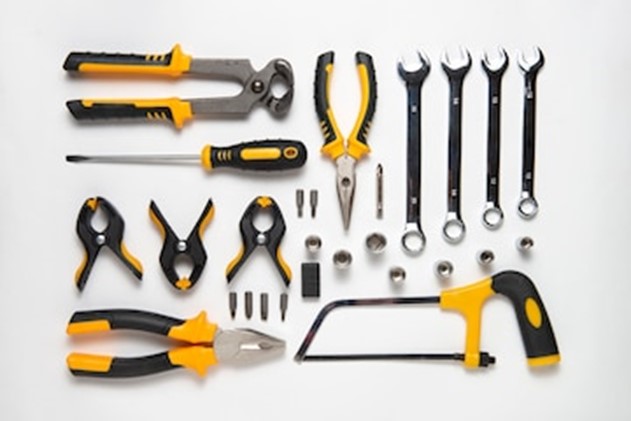 The role of insulated tools is simple. They create a barrier between the user and the current. Still, their impact goes beyond just blocking electricity.
Workers using proper tools tend to move with more control. Less hesitation. Fewer rushed actions. That alone reduces mistakes.
There’s also compliance. Many safety standards require insulated equipment for electrical work. Skipping it is not just risky; it can lead to penalties or shutdowns.
Insulated Tools and PPE: Not a Choice, a System
Some teams rely heavily on PPE and assume that’s enough. It isn’t. PPE protects the body. Insulated tools protect the interaction point. Using reliable PPE from brands like Milwaukee further strengthens this safety system and ensures better protection during high-risk electrical tasks. One without the other leaves gaps. Gloves can wear out. Tools can slip. When both are used together, the chances of failure drop significantly.
What to Look for When Choosing Insulated Tools
Not every tool labeled insulated is reliable. Quality varies, and the difference becomes clear only under stress.
Key factors to check:
- Certified insulation standards like VDE or IEC
- Clear voltage rating marked on the tool
- Strong grip to prevent slips
- Regular inspection and maintenance history
- Trusted brands like Facom and Usag are widely recognized for meeting strict insulation and safety standards in industrial environments.
Cutting costs here often leads to higher risks later.
Practical Lessons from Real Work Environments
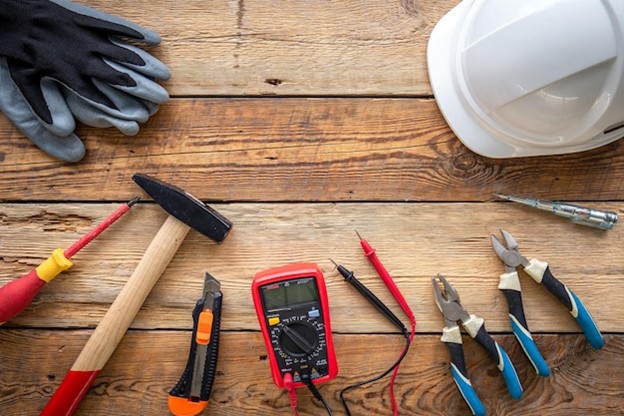 In many reported cases, accidents didn’t happen because tools were unavailable. They happened because workers chose not to use them.
A technician working on a live circuit used standard pliers instead of insulated ones. PPE was in place. Still, a brief contact caused injury. These situations are common. Not dramatic, but avoidable.
Consistency matters more than awareness. Many industrial teams also improve safety and efficiency by using customized tool kits such as Sonta Tools Customized Kits. These kits come with foam profiling, ensuring every tool has a fixed place, reducing handling errors and time loss. In addition, in-house engraving solutions on both tools and foam help in quick identification and better tool accountability on-site.
Knowing the rules is one thing. Following them every time is what actually prevents harm.
Conclusion
Electrical safety is not built on a single tool or policy. It comes from a combination of habits, equipment and awareness that stay consistent over time.
The matter of insulated tools can be encountered as a minor aspect of a large industrial facility, yet it is essential in ensuring that the risks that people face in their daily lives are not turned into major accidents. The secret is to select the appropriate tools, apply them correctly and consider them as necessities and not luxuries. Firms that know this do not merely enhance safety records, but they create more robust, well-developed businesses. That’s exactly where Sonta Tools supports industries with dependable tools designed for real working conditions. snapon Tools.
FAQs
What are insulated tools used for in industrial work?
Insulated tools are used to protect workers from electrical shocks when working on live circuits or near energized equipment.\
Are insulated tools better than regular industrial tools?
For electrical work, yes. Insulated tools provide an added layer of protection that regular tools cannot offer.
Do insulated tools replace PPE?
No, they work together with PPE to create a complete safety system.
How long do insulated tools last?
Their lifespan depends on usage and maintenance, but regular inspection is necessary to ensure continued safety.