
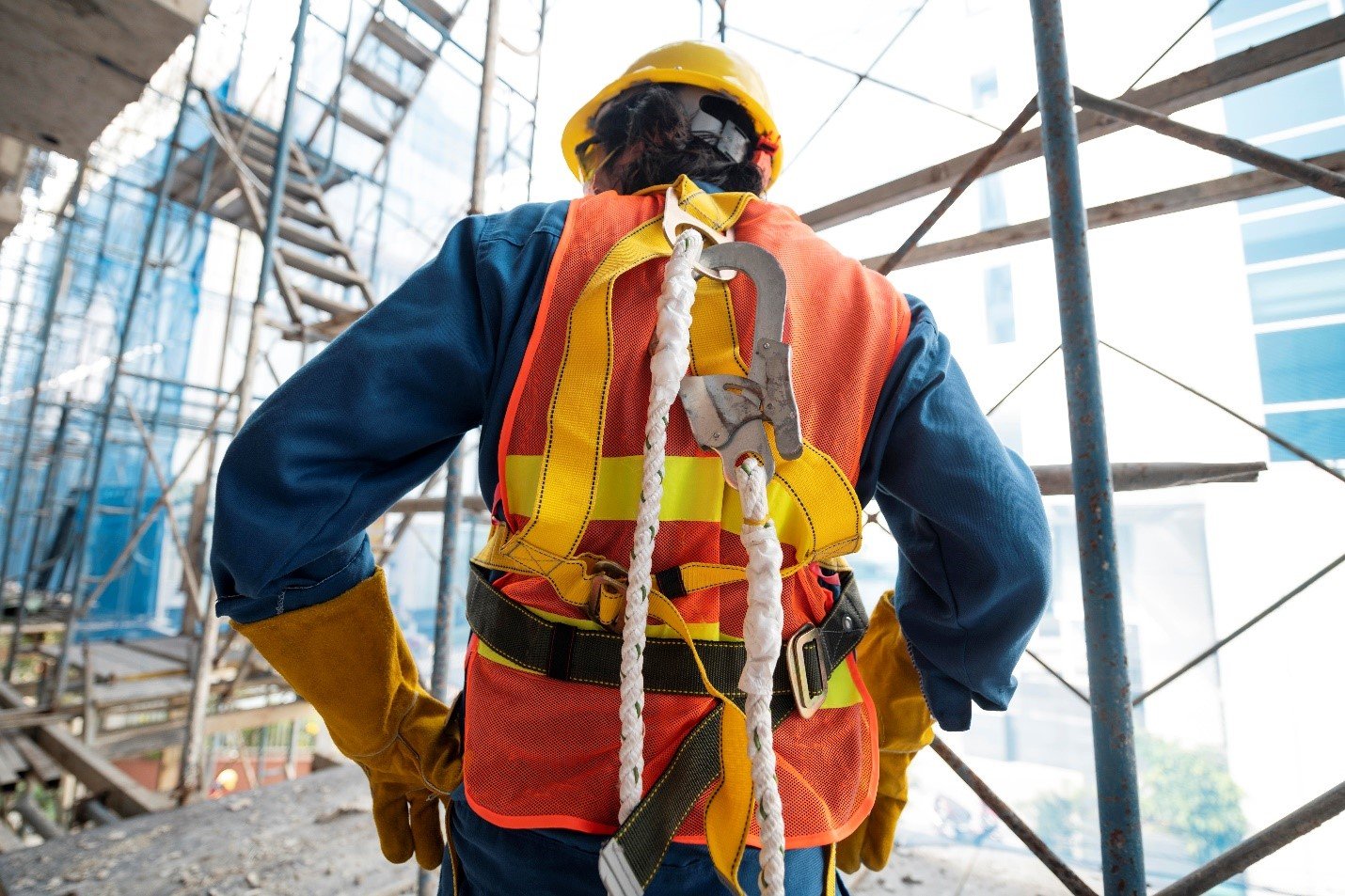
Working on a high-stakes industrial site is not just about getting the job done. It is about ensuring every person goes home in the same shape they arrived. I remember walking onto a busy floor where the sheer pace of work could easily make someone cut corners. A veteran supervisor pulled me aside and pointed at a loose wrench near a ledge. He did not lecture me. It is not a suggestion; it is the infrastructure of your entire career.
This blog breaks down the essential protective layers PPE, specialized tooling, and height safety that keep operations running without unnecessary risk.
The Pillars of Workplace Protection
Safety culture fails when it becomes a box-ticking exercise. True protection requires high-quality gear designed for specific hazards. Whether you are in oil and gas or aviation maintenance, the right kit acts as your first and last line of defense.
Essential Gear for High-Risk Environments
- PPE (Personal Protective Equipment): This is your baseline. Hard hats, impact-resistant gloves, and safety eyewear are non-negotiable. If you are working in volatile areas, static-dissipative or flame-resistant clothing is mandatory.
- Specialized Tooling: Standard hardware store tools don’t cut it in industrial settings. You need gear built for the environment.
- Insulated tools: Essential for electrical work to prevent arc flashes and shocks.
- Non-sparking tools: These are crucial in chemical or explosive atmospheres to prevent ignition.
- Tools at height: Tethers and lanyards are not just accessories; they are vital to stop dropped object accidents which remain a leading cause of injuries on elevated work sites.
- Aviation safety tools: High-precision instruments designed to prevent foreign object debris, keeping sensitive engines and airframes clear of loose hazards.
Building a Safety-First Habit
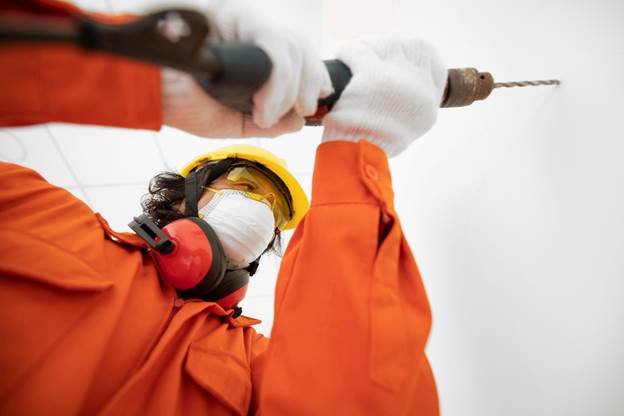
The best tool in the world is useless if you do not use it correctly. I have seen guys bypass tethers because they feel in the way. That is a dangerous mindset. Efficiency is good, but speed is not a substitute for integrity. Take the extra five seconds to secure your gear. Use tool control systems like foam inserts to ensure everything is accounted for before and after a shift. It sounds tedious, but it eliminates the stress of missing equipment and prevents potential accidents down the line.
Why Specialized Tooling Matters
Using the wrong tool is not just inefficient; it is a liability. When you use insulated tools in an electrical panel, you are insulating yourself from a life-altering accident. When you pick non-sparking tools near a volatile fuel line, you are protecting the entire facility. These are not just nice-to-haves. They are engineered solutions to specific, predictable hazards.
Many people think they can get away with good enough. That is a trap. Industrial settings are unforgiving. Investing in specialized equipment like calibrated torque wrenches or kits designed for aviation safety tools means you are prioritizing long-term reliability over short-term savings.
The Real Cost of Neglect
Dropped objects are a silent killer in industrial work. When you are using tools at height, the physics of a falling object can turn a small wrench into a lethal projectile. I once saw a hammer fall from just twenty feet, and the impact force was terrifying. Using proper tethers and tool belts designed specifically for elevated work turns a high-risk situation into a manageable, controlled task.
The Precision of Controlled Maintenance
Managing equipment in delicate sectors like aerospace demands a different level of vigilance. This is where aviation safety tools truly earn their keep. Unlike standard gear, these are built for total accountability. We use shadow boards and high-contrast foam to ensure every single item has a designated home. If a tool goes missing, you know immediately, long before it becomes a foreign object debris threat in a turbine or airframe. It is a system built on the premise that what you cannot see can still cause massive damage.
Mitigating Risks with Advanced Alloys
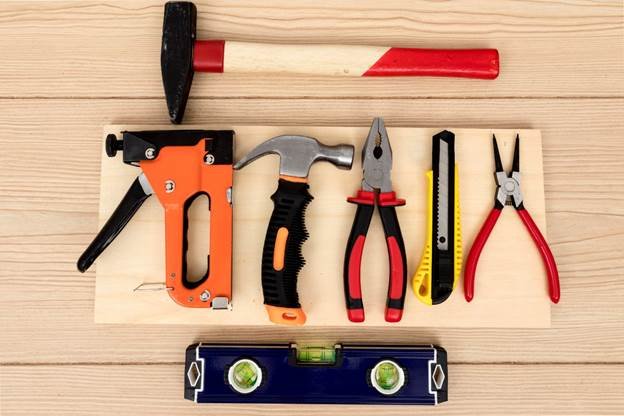
Moving into hazardous zones requires a shift in how you think about metallurgy. Relying on non-sparking tools made from copper-beryllium or aluminum-bronze is a basic requirement in environments filled with flammable vapors. A standard steel wrench can strike a concrete surface and create a tiny, hot particle capable of igniting a catastrophe. These specialized alloys are softer than steel, which means they do not spark upon impact. Integrating these into your kit is not just about compliance, it is about respecting the chemistry of your work environment.
Conclusion
It is also about the micro-decisions. Are you checking your PPE for signs of wear every morning? Are you inspecting the insulation on your electrical drivers? These tiny, repetitive checks are where expertise shows itself. Real pros do not guess. They rely on the gear that was specifically manufactured to handle the energy, the heights, and the volatile conditions of their specific niche. Sonta Solutions focuses on these high-end requirements because they understand that when it comes to industrial safety, there is absolutely no room for an experimental approach. You either have the right protection, or you are simply hoping for the best, which is never a plan.
FAQs
Why are non-sparking tools necessary in industrial environments?
Non-sparking tools are made from alloys like aluminum-bronze or copper-beryllium, which do not generate sparks when struck. They are critical in environments with flammable gases, vapors, or dust where a tiny spark could trigger an explosion.
What is the main goal of using aviation safety tools?
Aviation safety tools focus on precision and FOD (Foreign Object Debris) prevention. Because even a tiny loose bolt left inside an engine can cause catastrophic failure, these tools are often brightly colored or have tethering points to ensure they never go missing during maintenance.
How do I choose the right insulated tools?
Look for tools that are VDE-certified and rated for the specific voltage you are working with, typically marked as 1000V. Never use damaged insulated tools, as the protection layer is compromised once the outer coating is cut or peeled.
What are the best practices for working with tools at height?
Always use a rated tool tether system connected to a proper anchor point, not just your belt. Use a “100% tie-off” rule: if a tool is out of your bag, it must be tethered. This eliminates the risk of dropped objects hitting personnel below.