

What is the weekly time loss of your team due to a tool being marginally inappropriate to the task? It may be small, yet over a twelve-month period, ill-conceived tool selections silently suck budgets, retard production, and exasperate talented employees. This blog divides the manner in which intelligent businesses select tools that endure, expand, and remain pertinent as work requirements evolve. In the middle of this decision process, many buyers turn to Grainger industrial solutions for consistency and range.
Start With the Work, Not the Catalog
The biggest mistake businesses make is shopping before defining the job. Tools should match tasks, frequency, and conditions. A maintenance crew working daily under load needs very different equipment than a light assembly team.
Start by listing what your team actually does. Not what looks impressive, and not what competitors use. Focus on real tasks, real materials, and real pressure points. Ask simple questions. How often is the tool used? What happens if it fails? Clear answers guide better choices and reduce waste.
Match Tool Quality to Risk Level
Not every task needs premium gear. But high-risk or high-precision work absolutely does. Overbuying wastes money. Underbuying creates safety issues and rework.
Use these factors to align quality with risk:
- Task frequency and load stress
- Safety exposure if failure occurs
- Precision tolerance required
- Cost of downtime or errors
When tools match risk, teams work faster and safer without overthinking every step.
Why Trusted Industrial Suppliers Matter
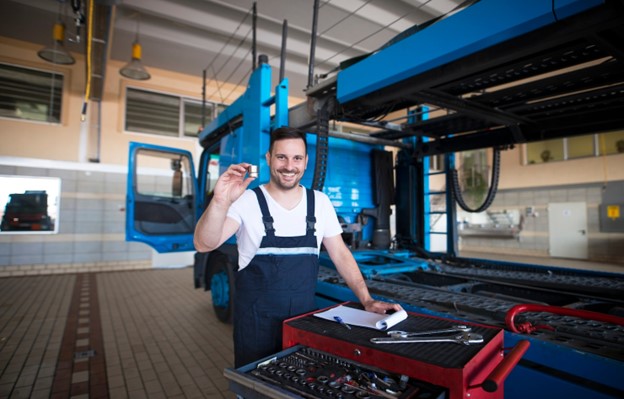
Industrial tools are not just products. They are systems that include availability, specs, documentation, and support. This is the reason why seasoned buyers turn to suppliers that have a rich catalog and proven standards. Mcmaster carr industrial solutions has been popular due to its clear specifications and quick sourcing when teams require perfect fits without any delays.
Consistency minimizes guesses, because guesswork costs time. A reliable supplier will also be useful when doing audits, replacements, and scale-ups. With the number of parts remaining constant and documentation readily available, things work more easily.
Don’t Ignore Tool Compatibility
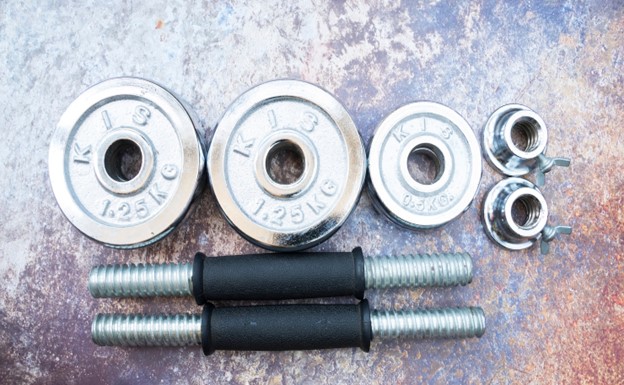
Tools rarely work alone. Bits, sockets, fasteners, and drivers must fit together cleanly. Mismatched components cause wear, stripped parts, and operator fatigue. This is where brands like Apex stand out. Apex Bits & Sockets are built for repeat use and precise fit, which matters more than many buyers realize. Compatibility also affects training. When tools feel consistent, new team members adapt faster. That reduces errors and supervision time.
Plan for Growth and Replacement Cycles
Buying for today only works until tomorrow arrives. Smart buyers think in phases. Tool systems that allow easy expansion prevent full replacement later. Standardized sizes, shared accessories, and scalable kits make upgrades simple instead of painful.
Look for long-term value indicators such as:
- Modular designs that grow with demand
- Easy access to replacement parts
- Clear maintenance and service guidelines
- Stable product lines that do not disappear
These details protect your investment over time.
Balance Cost With Total Ownership
Sticker price is misleading. Cheap tools often cost more once repairs, replacements, and downtime are counted. On the other hand, premium tools that sit unused waste capital. The goal is balance, spend more where failure hurts, and save where margins allow.
Lifespan, maintenance, training impact, and reliability are part of the total ownership cost. Those teams that know this prevent pursuing deals and begin to develop systems that silently operate in the background.
Train People Along With Tools
Even the best tools fail in untrained hands. Clear usage rules, basic care training, and simple storage systems extend tool life dramatically. When operators understand why a tool was chosen, they respect it more.
Such respect manifests itself in less messy work areas, reduced losses, and improved performance. Training does not need to be complicated. Quick refreshers, short demos, and visual guides are sufficient to safeguard your investment.
Final Thoughts
The decision to use industrial tools is not to stock shelves. It is about supporting people, processes and progress. Working with the right tools, the work is completed faster and with fewer errors. In case your company is considering its tool strategy or an upgrade, Sonta Tools assists the companies in selecting equipment that meets the real-world requirements and long-term objectives.
FAQs
1. Why is choosing the right industrial tools so important?
The right tools improve productivity, reduce downtime, and lower safety risks over time.
2. How do I know which tool quality level I need?
Match tool quality to task risk, frequency, and the cost of potential failure.
3. Are large suppliers better for industrial tool sourcing?
Yes. Suppliers like Grainger Industrial Solutions and McMaster-Carr offer consistency, documentation, and reliable availability.
4. Why does tool compatibility matter?
Compatible tools reduce wear, prevent errors, and improve operator efficiency.
5. How do brands like Apex add value?
They provide a precise fit and durability, which lowers replacement and maintenance costs.