
A plane looks simple from the outside. Inside, it is thousands of small parts working together, and every single one of those parts depends on the right tool at the right moment. Aircraft maintenance tools are the quiet heroes of every flight, even though most passengers never think about them. This blog walks through what these tools are, why they matter so much, and how they keep planes safe in the sky and on the ground.
What Makes Aviation Hand Tools Different
A wrench from a home garage and a wrench used on an aircraft look similar, but they are not built the same way. Aviation hand tools go through tighter checks and tougher testing before they ever touch a plane. Aircraft parts often sit close together in tight, narrow spots, so these tools tend to be thinner, lighter, and shaped for precision work. A dropped bolt in your garage is a small annoyance. A dropped bolt inside an engine bay is a real safety problem, which is why every tool near a plane gets tracked closely from the moment it leaves the toolbox.
A few things that set these tools apart:
- Made from lightweight materials like aluminum or titanium
- Shaped with thinner heads for tight, narrow access points
- Built to resist corrosion in harsh environments
- Tested against strict industry standards before use
Building a Strong Aircraft Tool Kit
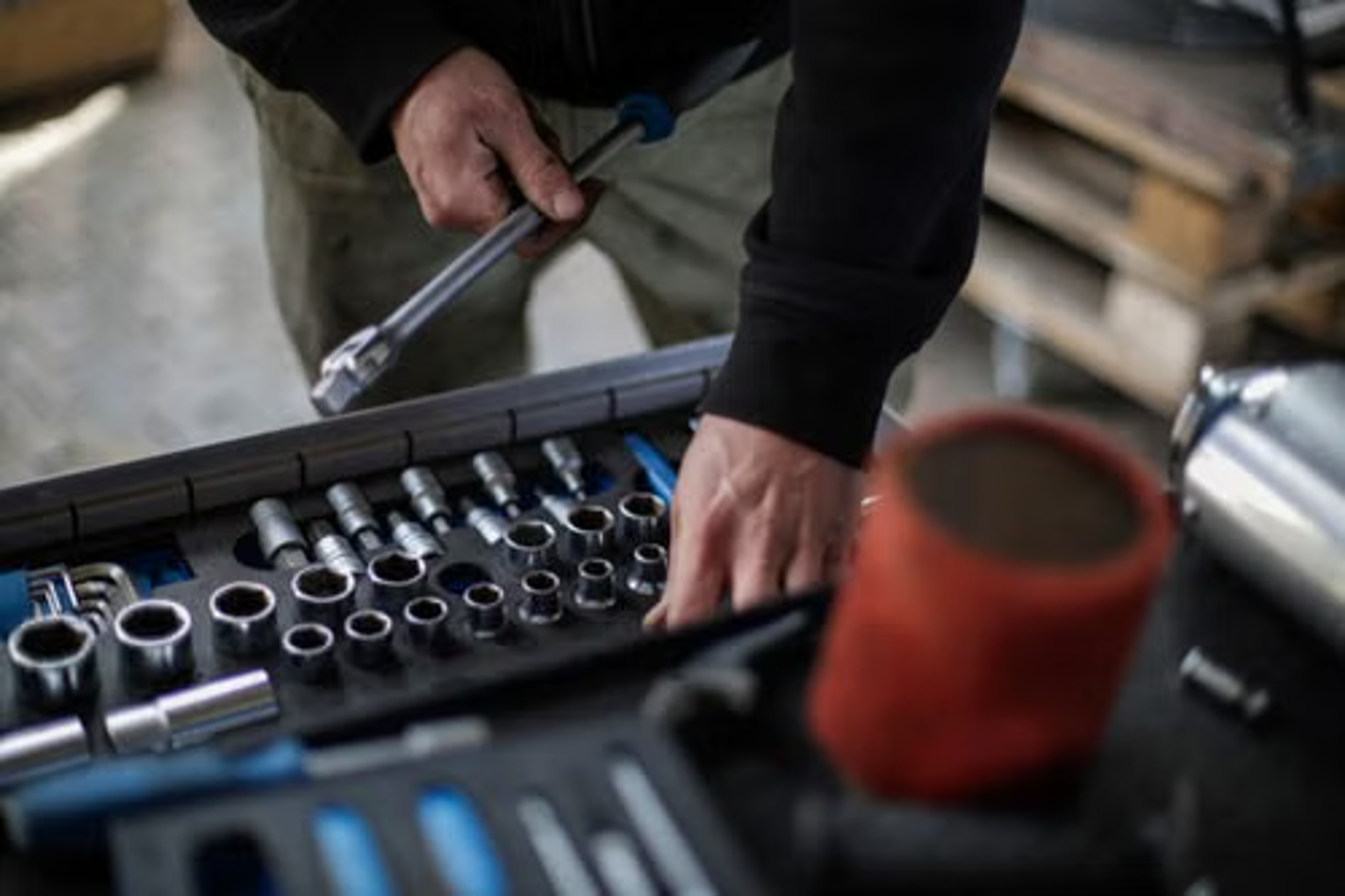
Most day to day maintenance starts with a solid set of aircraft tool kits. What sets these kits apart is how each piece is sized for aircraft work specifically. Bolts on a wing panel are not placed with convenience in mind, so tools need longer reach and slimmer heads to get the job done. A well organized kit usually comes in a tray with a shaped foam layout, so a technician can glance down and instantly know if something is missing before walking away from the job.
A typical kit usually covers:
- Screwdrivers and wrenches sized for aircraft fasteners
- Pliers for gripping and cutting in confined spaces
- Torque tools for accurate fastening
- Small inspection mirrors for checking hidden areas
Going Bigger: Aviation Maintenance Equipment
Hand tools handle the small stuff, but bigger jobs call for heavier aviation maintenance equipment. Every piece of equipment plays its own role, and together they cover jobs no single hand tool could ever manage.
Common examples include:
- Hydraulic lifts that move aircraft sections without strain
- Diagnostic scanners that read engine performance in seconds
- Pressure testers that confirm fuel and hydraulic systems are sealed
- Ground support gear like tow bars and power carts
The Precision Side: Aerospace Tooling
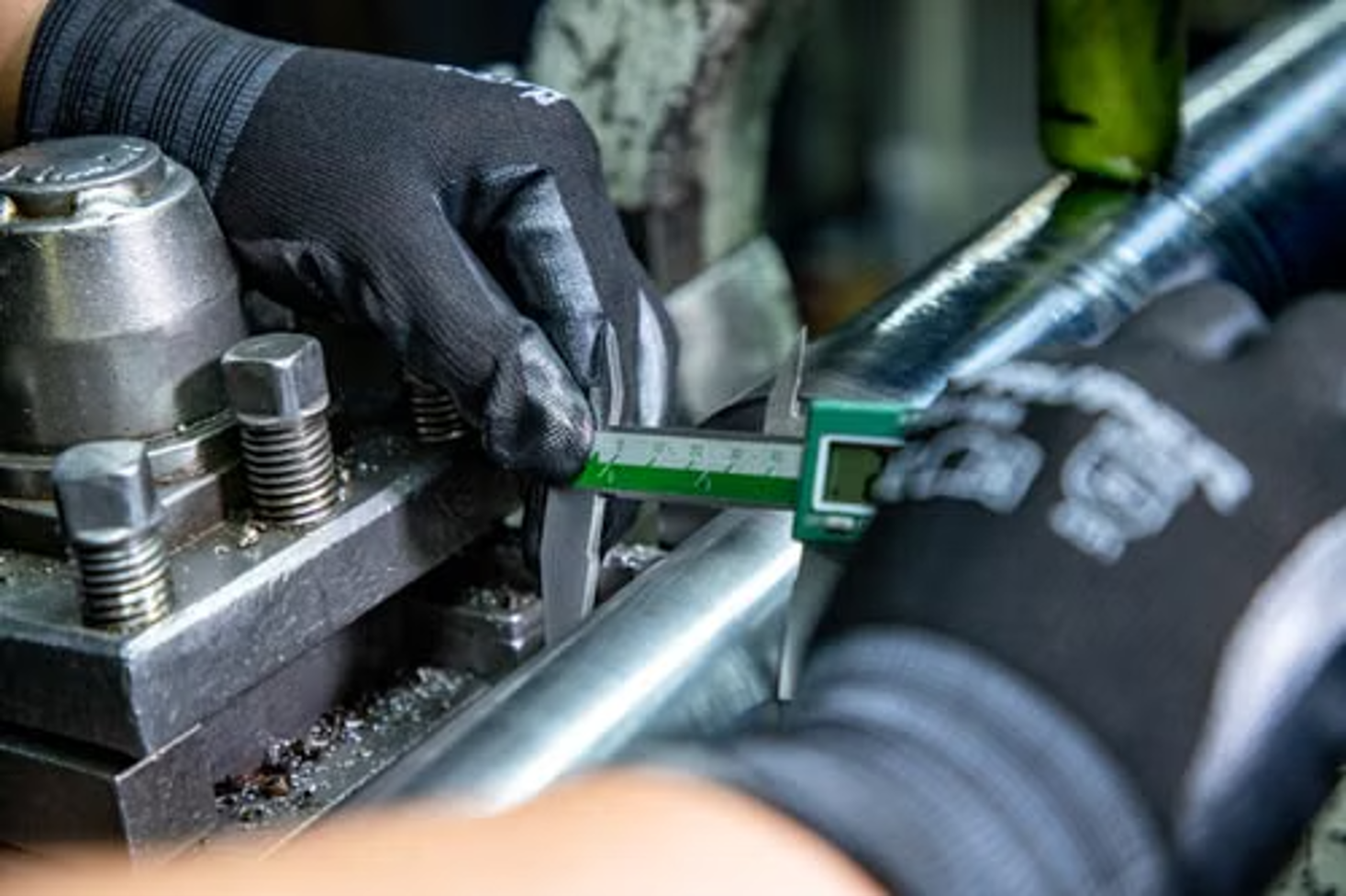
Aerospace tooling takes accuracy to another level entirely. This includes custom jigs, fixtures, and molds used when building or repairing aircraft parts. These tools work within extremely tight tolerances, sometimes down to a fraction of a millimeter, because aircraft components must fit and perform consistently at high altitude and under pressure changes.
This category often includes:
- Sheet metal shears and dimpling tools for shaping aircraft skins
- Riveting tools for joining components securely
- Custom jigs and fixtures for repeatable precision
- Drill and tap sets for accurate hole placement
This is where aviation work shifts from basic repair into true precision engineering.
Why Tool Tracking Is Taken So Seriously
People outside the industry are often surprised by how much effort goes into simply keeping track of tools. Every tool gets a serial number. Every kit gets checked before a job starts and again once it ends. This process is called tool control, and it exists for one clear reason: a missing tool near an aircraft is a real safety risk, not just an inconvenience.
Common tool control methods include:
- Shadow boards with cutouts for each tool
- Foam trays that reveal a gap instantly
- Digital tracking systems that flag missing items
- Pre and post job inspection checklists
It might look excessive to an outsider, but in aviation, small oversights can turn into serious problems fast.

Choosing the Right Tools for the Job
Picking the correct tool is not always obvious. Technicians think through a few factors before starting any task:
- The aircraft type, since different models often need different specialty tools
- The specific task, since a rivet job calls for different tools than an avionics repair
- Power needs, since air powered tools like impact wrenches save time on tougher jobs
- Ergonomics, since comfort affects accuracy during long shifts
Getting this selection right the first time saves hours of frustration later and keeps a maintenance schedule on track.
The Human Skill Behind the Tools
No tool works well without a trained hand behind it. Technicians spend years learning not only how to use aviation tools, but why each step matters for safety and performance. This mix of steady skill and dependable equipment is what actually keeps flights running safely, day after day, even when nobody in the terminal is thinking about it.
Conclusion
Aircraft maintenance tools carry more weight than their size suggests. From simple aviation hand tools to advanced aerospace tooling, every piece plays a part in keeping aircraft safe, reliable, and ready to fly. Understanding these tools gives you a new appreciation for the work happening behind every takeoff. If you are searching for dependable aircraft maintenance tools, aviation maintenance equipment, or aircraft tool kits built for real performance, Sonta Tools offers a trusted selection worth exploring for your next project.
Frequently Asked Questions
What are aircraft maintenance tools used for?
They help technicians inspect, repair, and maintain aircraft parts with accuracy and safety in mind.
Why are aviation hand tools different from standard tools?
They are built to resist corrosion, handle tight spaces, and avoid loose parts near sensitive equipment.
What is usually included in aircraft tool kits?
Most kits include wrenches, screwdrivers, pliers, torque tools, and inspection tools shaped for aircraft work.
What is aerospace tooling used for?
It is used to build and repair parts with very precise measurements for safety and performance.
Where can I find reliable aviation maintenance equipment?
Sonta Tools offers a wide range of certified aviation maintenance equipment suited for professional aircraft work.