
Working around live circuits, flammable vapors, or fuel lines is not the place for guesswork with equipment. One wrong tool choice near an energized panel can turn a routine repair into an emergency. That’s why insulated tools and non-sparking tools exist in the first place, built specifically to reduce risk in environments where a single spark or short circuit could cause real harm.
We work with technicians and safety officers across the UAE every day, and one thing keeps coming up. Teams often don’t realize how much their tool selection affects site safety until something goes wrong. Getting this right from day one saves budgets, injuries, and downtime later.
Why Standard Tools Fall Short in Hazardous Zones
Ordinary hand tools are made from conductive metal. Fine for a workshop bench. Risky, though, near electrical panels or in oil and gas facilities where flammable gases might be present.
A regular wrench can conduct electricity if it touches a live wire by accident. A steel hammer can throw a spark against a metal surface. Neither of these outcomes matters much in a typical garage. In a petrochemical plant or an aircraft hangar, they matter a great deal.
This is precisely the gap that specialized, safety-rated tools were designed to close.
The Core Risks in Hazardous Workspaces
- Accidental contact with live electrical circuits
- Sparks igniting flammable gases, dust, or vapors
- Dropped tools causing injury at height
- Corrosion or wear reducing tool reliability over time
None of these risks disappear on their own. Proper equipment, paired with trained personnel, is what actually manages them.
What Makes Insulated Tools Different
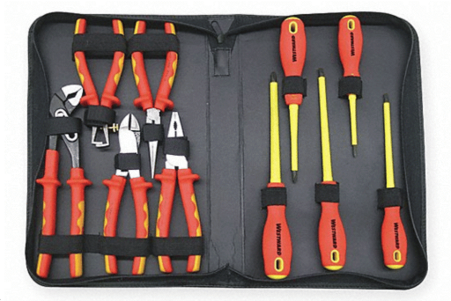
Insulated tools are coated, typically with a durable polymer layer rated to a specific voltage, so the metal core never comes into direct contact with a live circuit. Electricians, maintenance crews, and panel technicians rely on these daily.
We supply insulated screwdrivers, pliers, and wrenches tested to international voltage standards, mainly IEC 60900. That rating isn’t decorative. It tells you the tool has actually been tested against electrical breakdown under realistic conditions.
Where Insulated Tools Matter Most
- Live panel maintenance and switchgear work
- Power generation facility upkeep
- Automotive electrical repair on hybrid or EV systems
- General industry work near any energized equipment
A quick tip worth remembering: insulation degrades. Cracked or worn coating on an insulated tool is no longer safe, regardless of its original rating. Regular inspection isn’t optional here.
Non-Sparking Tools for Explosive Environments
Non-sparking tools solve a different problem entirely. Instead of insulation, they’re manufactured from special alloys, often beryllium copper or aluminum bronze, that simply don’t produce the friction sparks that steel tools do.
Oil and gas sites, chemical plants, and refineries use these tools almost as standard practice. One stray spark near a gas leak can be catastrophic, so the tools themselves need to be engineered out of that possibility entirely.
Common Applications for Non-Sparking Equipment
- Refinery maintenance and turnaround work
- Chemical storage and processing facilities
- Grain handling and dust-heavy environments
- Marine and offshore platform servicing
We stock a full range through our industrial partners, covering wrenches, hammers, chisels, and sockets designed for ATEX-classified zones. Anyone working in these settings already knows the drill, but it’s worth repeating: the tool is only half the safety equation. Training and site protocol handle the rest.
 Tools at Height: Preventing Drops Before They Happen
A dropped tool from a scaffold or elevated platform isn’t just an inconvenience. It’s a genuine hazard to anyone below. Tools at height solutions, including tethering systems and safety-lock attachments, keep equipment secured to the technician rather than falling free.
We’ve seen this become a growing priority across construction, aviation maintenance, and industrial plants throughout the region. Facom’s SLS range, which we supply, is a good example of how tethering hardware has evolved from a bulky afterthought into something technicians barely notice while working.
Practical Steps for Managing Height-Related Tool Risks
- Use tethered tool lanyards rated for the specific tool weight
- Attach tool pouches with secure closures, not open pockets
- Conduct a pre-climb equipment check every single time
- Train staff on drop zones and exclusion areas below elevated work
Small habits like these prevent most incidents. It really is that straightforward.
Trusted Power Tool Brands: Milwaukee and DeWalt
Safety-rated hand tools solve one part of the puzzle. Power tools solve another, and here, brand reliability genuinely matters.
Milwaukee tools have built a strong reputation across industrial and automotive sectors for battery performance and build durability. Their range covers everything from impact drivers to heavy-duty drills, all engineered to handle repeated, demanding use without breaking down mid-shift.
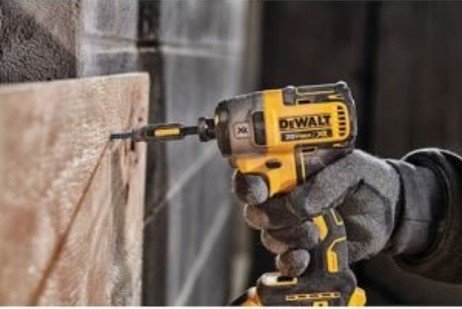
DeWalt power tools carry a similar reputation, known widely for rugged construction and consistent output across drilling, cutting, and fastening applications. Many maintenance teams we work with choose DeWalt specifically for its balance between power and manageable weight, useful when technicians are working overhead or in tight spaces for hours.
Why Brand Choice Matters for Electric Power Tools
- Consistent quality control reduces unexpected failures on site
- Genuine parts and accessories extend tool lifespan
- Warranty and technical support minimize costly downtime
- Battery platform compatibility across a brand’s tool range saves money
Choosing between reputable electric power tools brands often comes down to the specific job. Heavy fastening work suits one platform better; precision cutting might suit another. We help clients match tool selection to actual site conditions rather than pushing a single brand for the sake of it.
Building a Safer Toolkit for Your Team
Getting the right combination of insulated, non-sparking, and height-safety equipment isn’t a one-time purchase decision. It’s an ongoing process that should reflect the specific risks of each work environment.
A Simple Checklist Before You Order
- Identify the hazard category: electrical, explosive atmosphere, or drop risk
- Match tool certification to that specific hazard
- Confirm voltage ratings or spark classifications with your supplier
- Plan for regular inspection and replacement cycles
- Train staff on correct usage, not just tool availability
Skipping any one of these steps weakens the whole safety chain. A certified tool used incorrectly offers little advantage over an uncertified one used carefully, though obviously the certified, correctly used combination is what you’re aiming for.
Conclusion
Hazardous workspaces don’t forgive shortcuts, and the right tools are a frontline defense, not an afterthought. Whether it’s insulated equipment for electrical work, non-sparking gear for explosive zones, tethering systems for elevated tasks, or dependable power tools from names like Milwaukee and DeWalt, every choice contributes to a safer site and a more productive team.
At Sonta Tools, we help industrial, aviation, and energy sector clients across the UAE source certified, reliable equipment matched to their exact working conditions. Reach out to our team whenever you’re ready to review your current toolkit or plan for an upcoming project.
Frequently Asked Questions
What voltage rating should insulate tools have for electrical maintenance work?
Most insulated tools used in industrial settings are rated to IEC 60900 standards, commonly covering up to 1000V AC. Always confirm the rating matches your site’s actual working voltage before use.
Are non-sparking tools required by law in oil and gas facilities?
Requirements vary by jurisdiction and facility classification, but most ATEX-rated or explosive atmosphere zones mandate spark-resistant equipment as part of standard safety compliance.
How often should tools at height equipment be inspected?
Tethering systems, lanyards, and attachment points should be checked before every use, with a more thorough inspection scheduled monthly or per your facility’s safety policy.
Which is better for industrial use, Milwaukee tools or DeWalt power tools?
Both brands offer strong reliability and performance. The right choice often depends on the specific task, battery platform preference, and existing tool compatibility within your team.